CLOSING BELL
Batten Down The Hatches
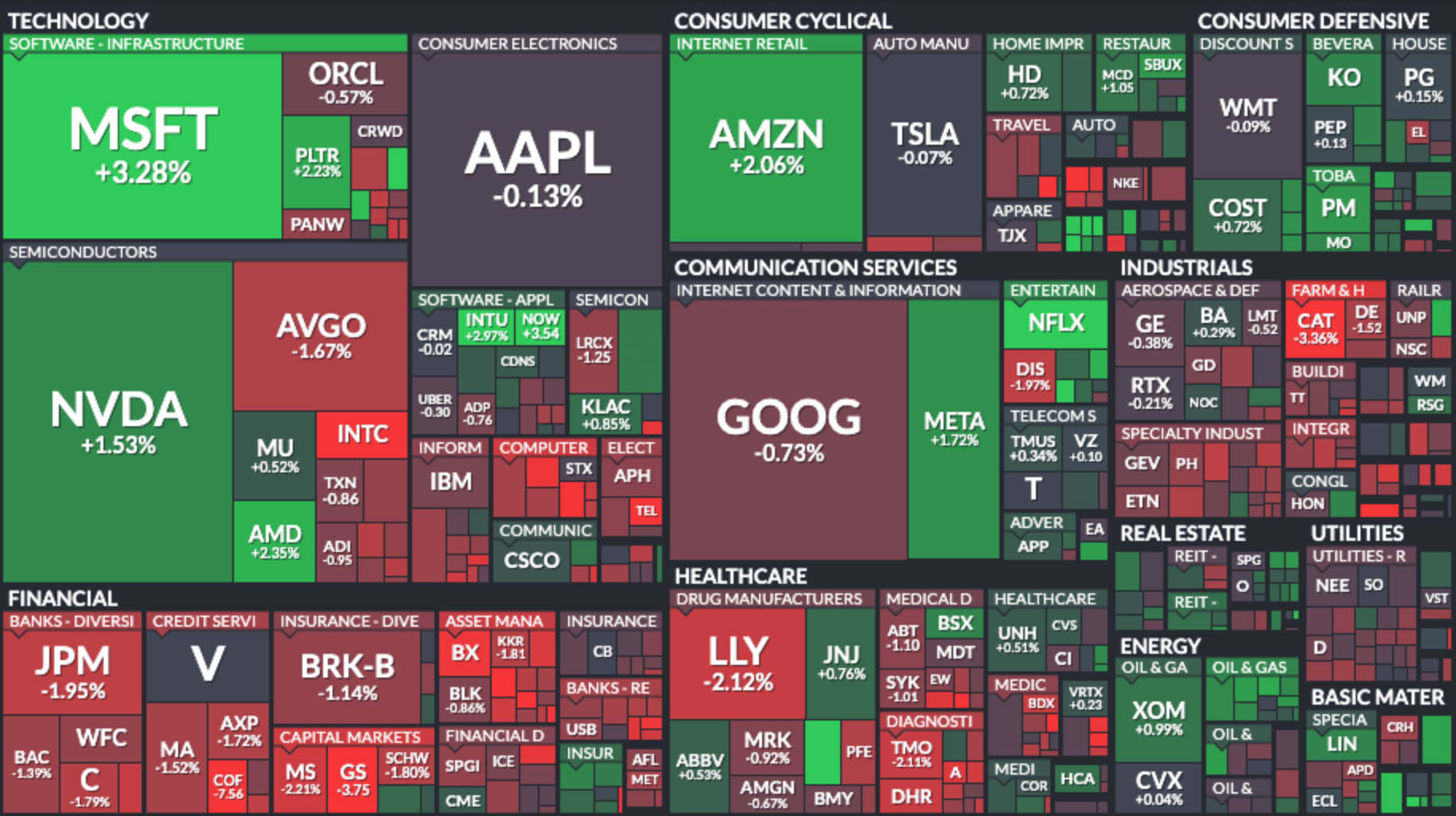
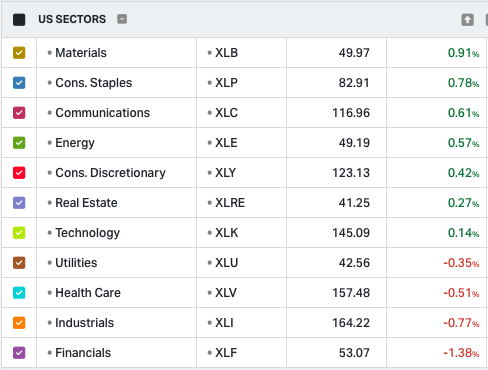
The week ended with a slight climb in stocks on Friday, but an overall red four day performance, marking two weeks in a row of declining prices. It’s the first time the S&P 500 has fallen two weeks in a row since the summer.
Thursday’s inflation increases gave way to Friday’s consumer outlook, which showed some optimism. One-year inflation expectations fell, confidence grew, and sentiment looked positive.
After the tariff threats, Greenland invasion speculation, and earnings reports this week, it is easy to see why consumers want to be more positive this year: the news cycle can really get away from us and start running the market if we’re not careful.
Friday’s moves were also watching the Japenese Yen. The yen saw its best one-day surge in six months on speculation that Japan might take drastic measures to stop the currency’s fall, like it did in 2024, according to Bloomberg.
In earnings, Intel suffered from a narrative vs. reality disruption, reporting numbers that were fine Thursday but predicting a tougher Q1 than hoped for. The stock was down big time.
Despite the earnings softness, commodities were flying. The blizzard coming this weekend to most of you sent natural gas prices higher, FOMC seat change up and international volatility surrounding tariffs was pushing metals into the stratosphere. Gold nearly hit $5k for its best week since 2020, SILVER broke through $100/oz! Even copper was on the way up, climbing above $13k/ton a the markets bet a weaker dollar and bond market means metals will keep climbing.
Our crypto writer John is facing warnings of exploding trees up north due to the cold, so keep safe this weekend!
STOCKS
Intel's Manufacturing "Reality Check"
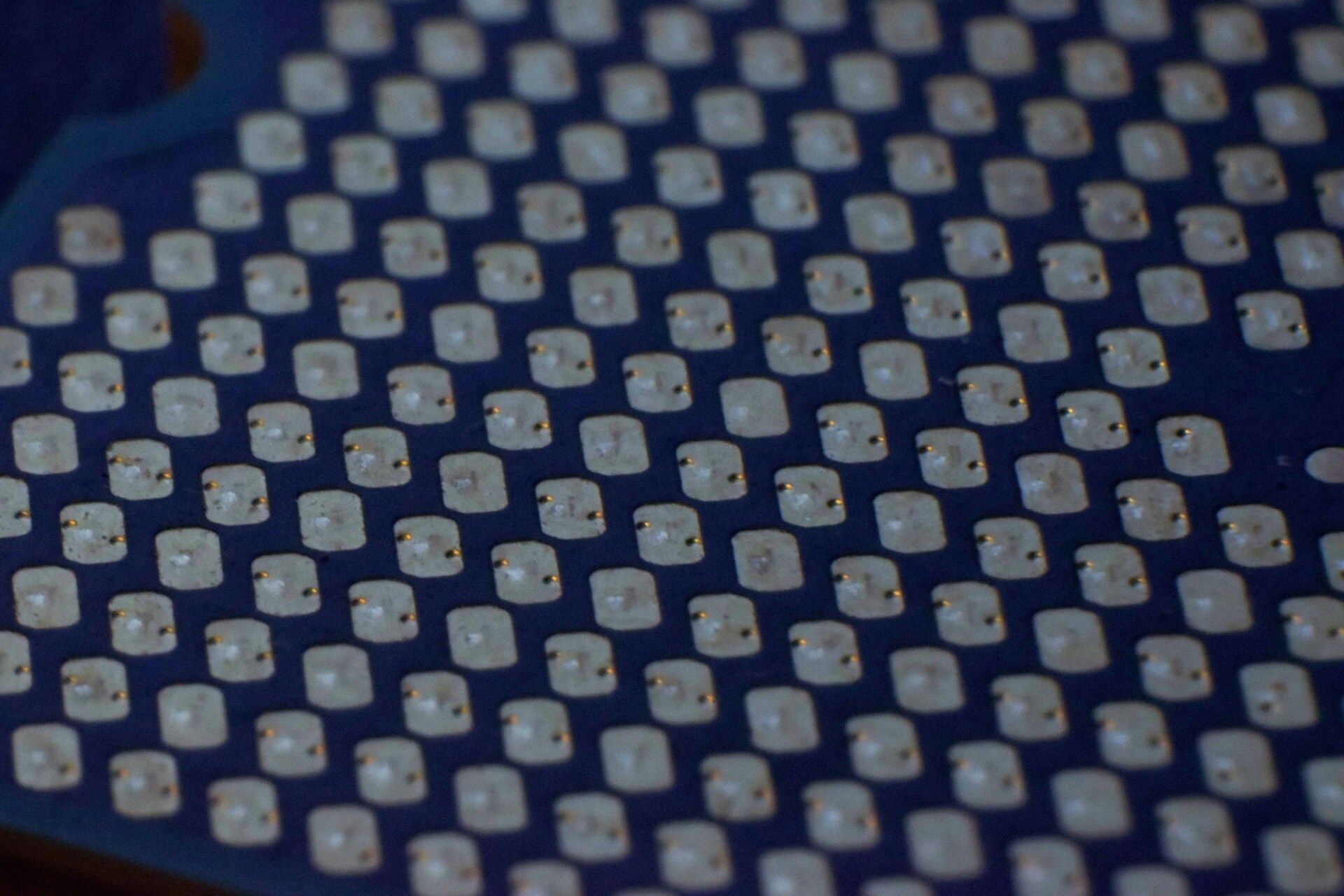
Intel’s stock trajectory in 2025 was described by analysts as a "meme stock" rally, and for good reason: it looked like it was finally turnaround time for the chip maker. Matching a more macro view of the overall market and consumer sentiment, investors saw potential in Intel’s government bailout, buyout and fresh participation in the AI ecosystem.
But reality came crashing down, or folding inwards, as the stock fell $INTC ( ▼ 17.03% )after its report Thursday showed that despite a fourth-quarter revenue beat of $13.7 billion, guidance for Q1 2026 was just $11.7B–$12.7B suggested near-term stagnation.
While demand for server chips used in AI data centers is "quite strong," according to CEO Lip-Bu Tan, Intel admitted it cannot capture this growth due to internal supply bottlenecks.
Yield Standards: CEO Lip-Bu Tan stated that production efficiency (yields) are currently "below his standards," which has led to a depletion of inventory and an inability to fulfill existing orders.
The "14A" Long Game: Intel is accelerating its 14A (1.4nm)process, targeting mass production by 2027. However, analysts caution that a "meaningful revenue contribution" from external 14A customers may not materialize until late 2028.
Foundry Losses: The Intel Foundry segment reported a -55.7%operating margin for the quarter, incurring $2.5 billion in losses as it continues to build out expensive domestic infrastructure.
Competitive Erosion: AMD and Arm Gains
Intel's product business is caught in an industry shakeup, and one positive half for news and support from Uncle Sam won’t change things that quickly. According to Mercury Research, the big name is taking big losses to competitors when it comes to segment market share. In 2019, Intel held a near-total monopoly on the processor market, but the landscape has shifted drastically by late 2025.
In the Server CPU segment, Intel’s share has plummeted from a dominant 97% to approximately 72% as AMD chips see massive adoption among hyperscalers. The Desktop market tells a similar story; once holding 80% of the market, Intel has dropped to 60% while AMD Ryzen successfully captured over 30% of DIY and OEM sales.In Notebooks, Intel's 90%stronghold has been cut down to 60% as Arm-based processors from Apple and Qualcomm aggressively squeeze their mobile dominance.
What it Matters for Retail
The "Underdog" Narrative: For years, retail investors have bet on Intel as an American underdog receiving government support. The $8.9 billion U.S. government investment and stakes from Nvidiaand SoftBank provide a massive floor, but they do not solve the immediate "engineering-first" execution problems.
Margin Compression: High expenditures for new manufacturing nodes like 18A and 14A are set to weigh on profits through 2026, making any near-term "clean" turnaround unlikely.
Supply Bottlenecks: Until yields improve for the Panther Lake and Nova Lake (expected late 2026) lineups, Intel will continue to watch competitors like AMD satisfy the "sold out" demand in the server market.
This theme might show its head for other semis as earnings come out.
"We are on a multiyear journey. It will take time and resolve... I'm disappointed that we are not able to fully meet the demand in our markets." — Lip-Bu Tan, CEO.
TRENDING STOCKS
Hot Stocks to Watch from the Stocktwits Watchlist

$IBRX ( ▼ 12.13% ) (ImmunityBio): Surged 38% to new 52-week highs following a "perfect storm" of positive news, including 700% revenue growth for its bladder cancer drug, Anktiva.
$ALT ( ▲ 2.23% ) (Altimmune): Monitoring for momentum as biotech interest rotates into high-growth clinical trial leaders.
$SLV ( ▲ 6.63% ) (iShares Silver Trust): Investors are tracking precious metals as a hedge against the "sell the news" sentiment currently hitting major equity sectors.
$TSLA ( ▼ 0.07% ) (Tesla): Market eyes remain on the EV leader as the Trump administration's energy plans begin to shift the landscape for high-demand power consumers.
$NVDA ( ▲ 1.53% ) (NVIDIA): Continues to be the primary focus for AI sentiment, especially as private utility contracts for data centers come under regulatory scrutiny.
$DRCT ( ▲ 77.92% ) (Direct Digital Holdings): Retail interest is piqued by micro-cap volume spikes in the digital services space following massive runs in other small-cap movers like $VERO.